
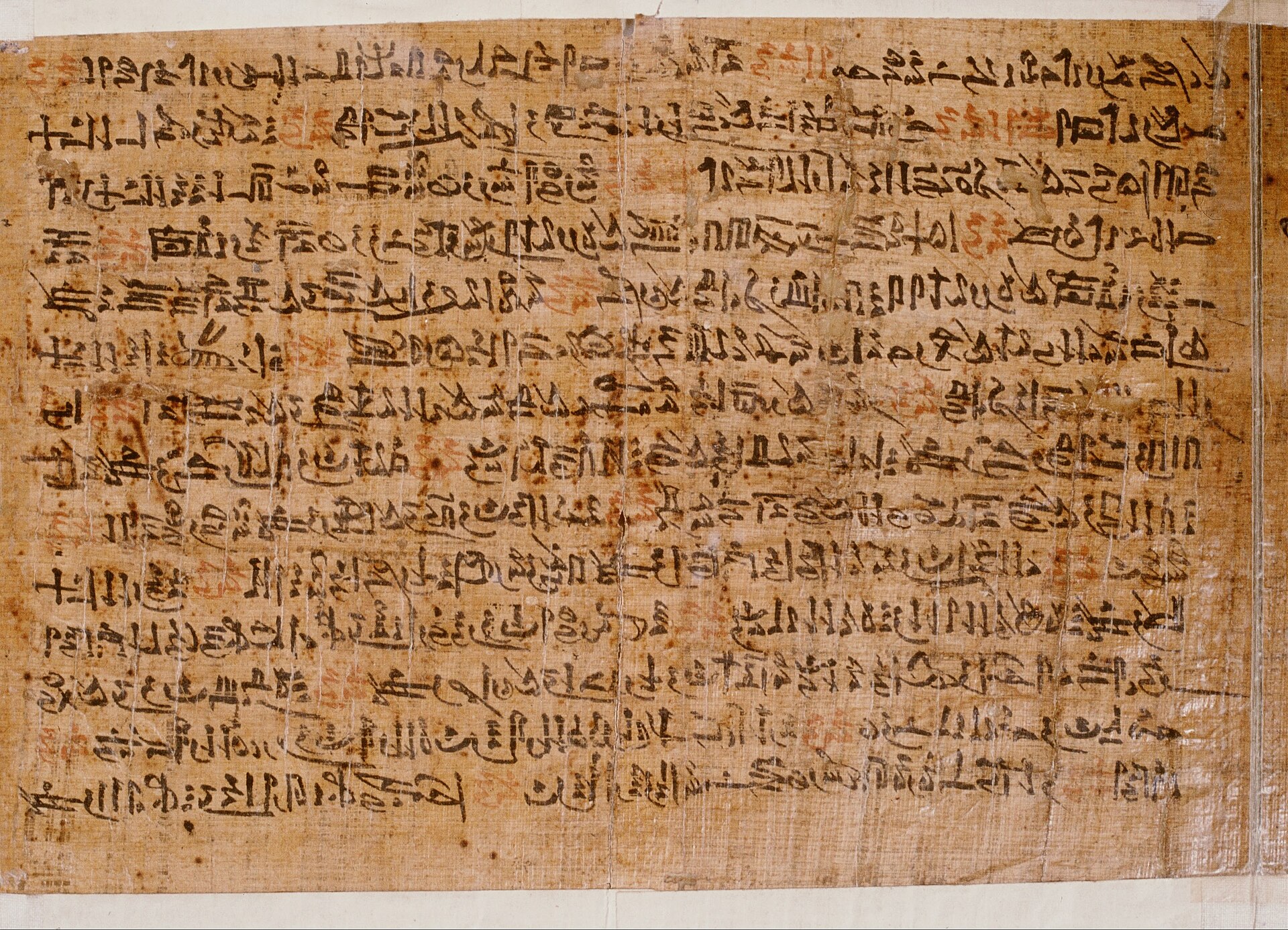
The strongest evidence for a biblical event is the kind that comes from somewhere other than the Bible. Independent testimony, from a source with no interest in supporting Scripture, carries a weight that internal confirmation never can.
For the plagues of Egypt, that testimony exists — and it is Egyptian.
The Ipuwer Papyrus is an ancient Egyptian document, roughly three thousand years old, written by an Egyptian scribe for an Egyptian audience. It is a lament, describing the collapse of the country into disaster and chaos. It was not written to corroborate Exodus. Its author had no knowledge of the Hebrew Scriptures and no reason to flatter the God of Israel.
What it describes is striking.
The papyrus records the Nile turning to blood. It describes widespread famine, the failure of crops, and a land stripped of food. It describes national chaos, the collapse of social order, servants leaving their masters, and the reversal of the entire structure of Egyptian society. And it describes death throughout the land, including the death of the firstborn.
Set that beside Exodus 7 through 12 and the correspondence is difficult to dismiss. Water turned to blood. Ruined crops and famine. Society in collapse. Death in every house.
The physical record from the same period adds to it. Excavation has produced abandoned cities, mass graves, and clear signs of national collapse in Egypt — the archaeological signature of a civilisation that suffered a catastrophe severe enough to break it.
This is precisely what Exodus describes: a superpower brought to its knees, its economy destroyed, its population devastated, its slave workforce departing en masse.
For a long time the plagues were filed under mythology — a nation's founding story, dramatised for effect. That position is considerably harder to hold when Egypt's own scribes recorded the same catastrophe, and Egypt's own ruins bear the marks of it.
The account in Exodus is now backed by the testimony of the very nation it describes being judged.
The Ipuwer Papyrus. Public domain, via Wikimedia Commons.