
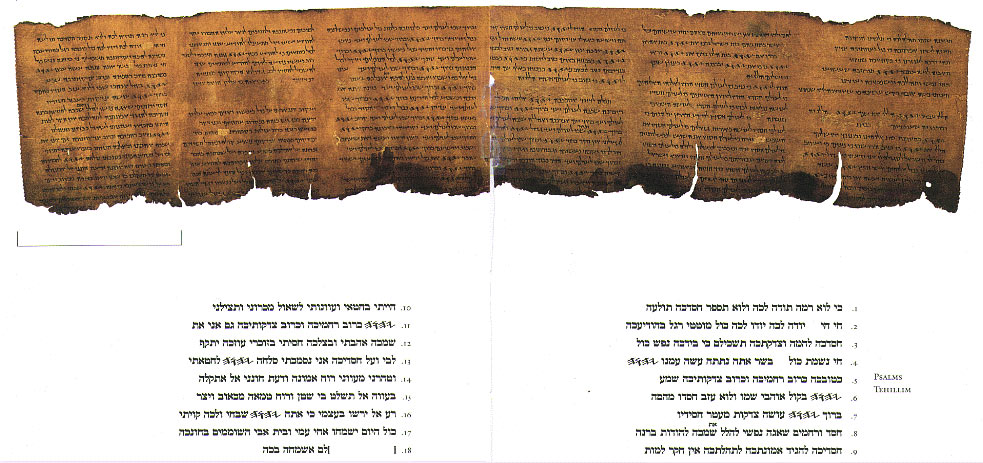
For generations, one objection did more damage to confidence in Scripture than any other: the claim that the Bible had been changed.
The reasoning sounded sensible. Before printing, every copy was made by hand. Copies were made from copies, generation after generation, century after century. Errors would creep in. Scribes would 'correct' what they did not understand. Over a thousand years, surely the text would drift beyond recognition from whatever was originally written.
It was a reasonable-sounding argument, and it was impossible to test — because the oldest Hebrew manuscripts anyone possessed were already medieval. There was nothing older to compare them against.
Then scrolls sealed in caves near the Dead Sea for more than two thousand years were brought into the light.
Among them was nearly every book of the Old Testament, including a virtually complete scroll of Isaiah — copies made centuries before the manuscripts scholars had been working from. For the first time, there was something to check the text against. If the Bible had drifted, this is where it would show.
The comparison was made. The text matched — around 95% word for word, with the remaining differences overwhelmingly consisting of spelling variations, minor word order, and obvious slips of the pen. Nothing that changed a doctrine. Nothing that altered a prophecy. Nothing that touched the meaning.
A thousand years of hand copying, and the message had not moved.
The Isaiah scroll makes the point most sharply of all, because Isaiah contains some of the most specific messianic prophecy in the Old Testament — including the suffering servant of chapter 53. Sceptics had suggested those passages might have been sharpened after the fact, adjusted by later scribes who knew how the story turned out. The scroll settles it. Those words were on that parchment long before the events they describe.
The Bible had not been rewritten. It had been preserved — guarded by scribes who treated every letter as sacred and copied accordingly.
The objection that had done more damage than any other turned out to be answerable, and the answer had been waiting in a cave the entire time.
The Psalms Scroll, one of the Dead Sea Scrolls. Public domain, via Wikimedia Commons.