
For centuries, Daniel chapter 5 was treated as the book's weakest point.
The chapter describes Belshazzar as ruler of Babylon on the night the city fell — the king who saw the writing on the wall and offered rewards to anyone who could interpret it. The problem was that Belshazzar appeared in no Babylonian king list anywhere. Every record scholars possessed named Nabonidus as the last king of Babylon. No Belshazzar.
Critics drew the obvious conclusion: the author of Daniel had invented a king, which meant he was writing long after the events and did not know the history.
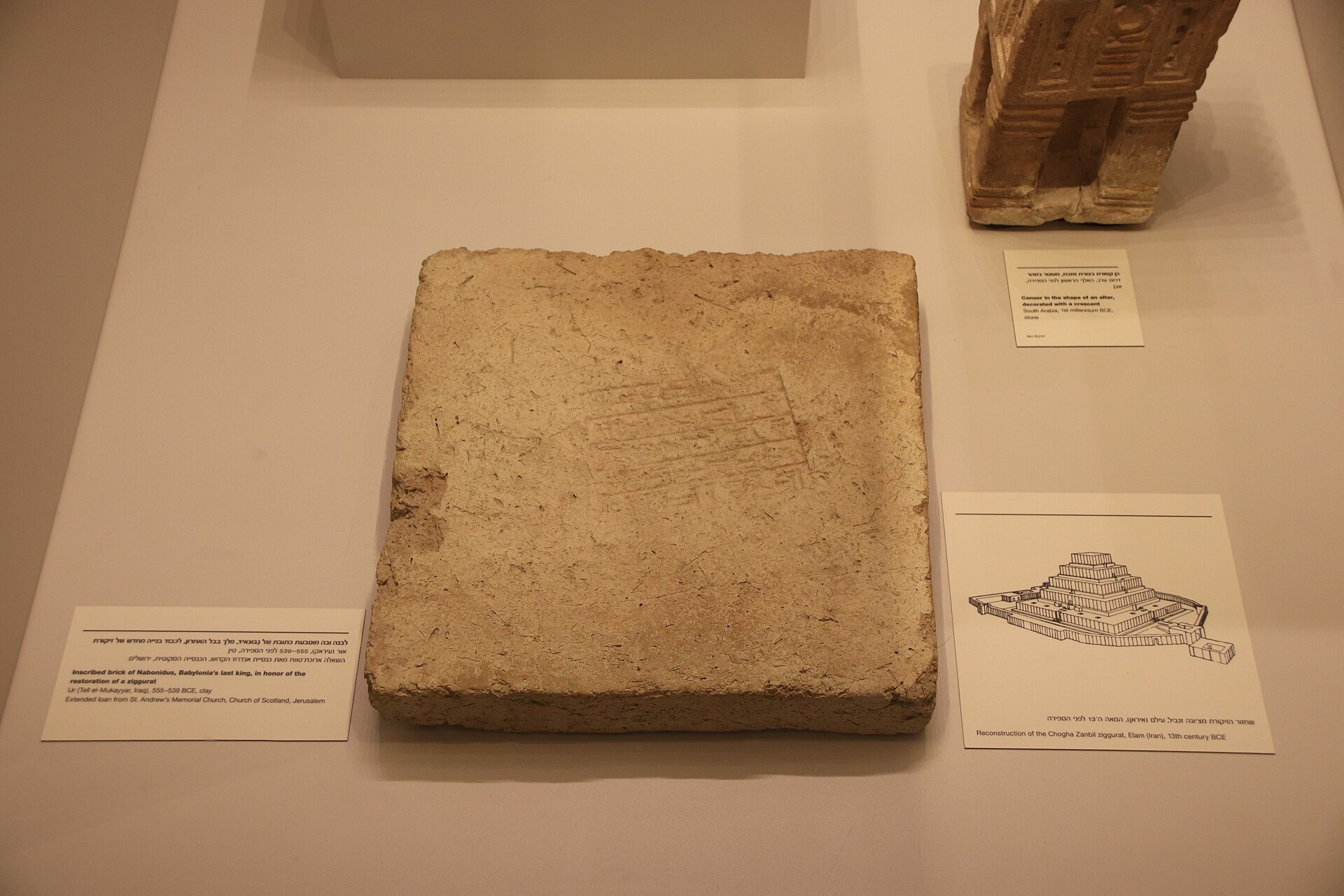
Then came the Nabonidus Cylinder.
The cylinder is a clay artefact inscribed in cuneiform, recording the reign of King Nabonidus of Babylon, who ruled from 556 to 539 BC. And within that inscription, Nabonidus names his eldest son — Belshazzar.
Belshazzar was real. He was the crown prince, and he governed Babylon in his father's name while Nabonidus was absent from the capital for an extended period. That is why he was missing from the king lists: he was never formally king, but he was the man actually running Babylon.
Which explains a detail in Daniel 5 that had puzzled readers for generations. When Belshazzar offers a reward for interpreting the writing on the wall, he offers to make the interpreter third ruler in the kingdom — a strange, oddly specific promotion. Why third?
Because first place belonged to Nabonidus and second to Belshazzar himself. Third was the highest position he had the authority to give.
That is not the sort of detail a writer inventing history centuries later would produce. It is the sort of detail someone knows because they were there, inside a co-regency arrangement so obscure that it was lost to historians for more than two thousand years.
The cylinder carries a further point of contact. It records Nabonidus's devotion to Sin, the moon god — reflecting exactly the Mesopotamian idolatry that the Old Testament describes and condemns throughout.
An artefact that critics could not have anticipated confirmed a king they insisted was fictional, and in the process explained a detail in the text that only made sense if the account was written by someone with real knowledge of the Babylonian court.
An inscribed clay artefact of King Nabonidus, Ur. Public domain, via Wikimedia Commons.