
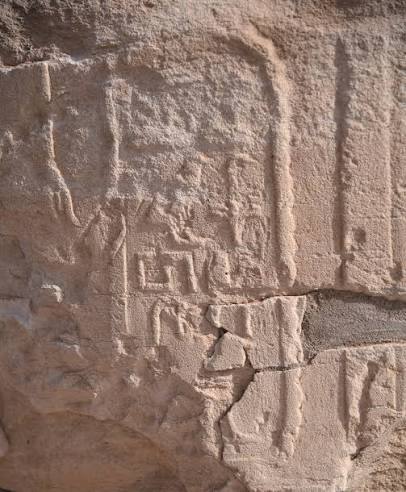
Over 3,300 years ago, during the reign of Pharaoh Amenhotep III, Egyptian craftsmen carved a remarkable list of foreign peoples and places into the Temple of Soleb, in what is now Sudan. Among the names preserved in hieroglyphs is one that continues to fascinate historians and biblical scholars: “Shasu of YHW.”
The Shasu were groups of nomadic people who lived across the deserts south and east of Canaan. Egyptian records mention several groups of Shasu, often identifying them by the lands they were associated with.
But one name stands out: YHW.
Many scholars believe YHW may represent an early Egyptian rendering of Yahweh, the God of Israel in the Bible. If this identification is correct, the Soleb inscription would be one of the earliest known references to Yahweh outside the Bible, dating to around the 14th century BC.
What makes this even more fascinating is the location. Ancient passages in the Bible connect Yahweh with regions south of Canaan, including Seir, Edom, Paran and Teman. The Soleb inscription appears to place the “Shasu of YHW” within this same broader southern region.
The inscription does not tell us exactly who these Shasu were, and scholars still debate precisely what YHW meant. It may have referred to Yahweh directly, or perhaps to a place associated with his name.
But the connection is remarkable. More than three thousand years ago, an Egyptian temple recorded a mysterious group called the “Shasu of YHW” in a region that biblical tradition would also associate with Yahweh.
Carved into stone thousands of years ago, those three ancient letters, YHW, remain one of the most fascinating clues in the search for the earliest historical traces of the biblical name of God.