
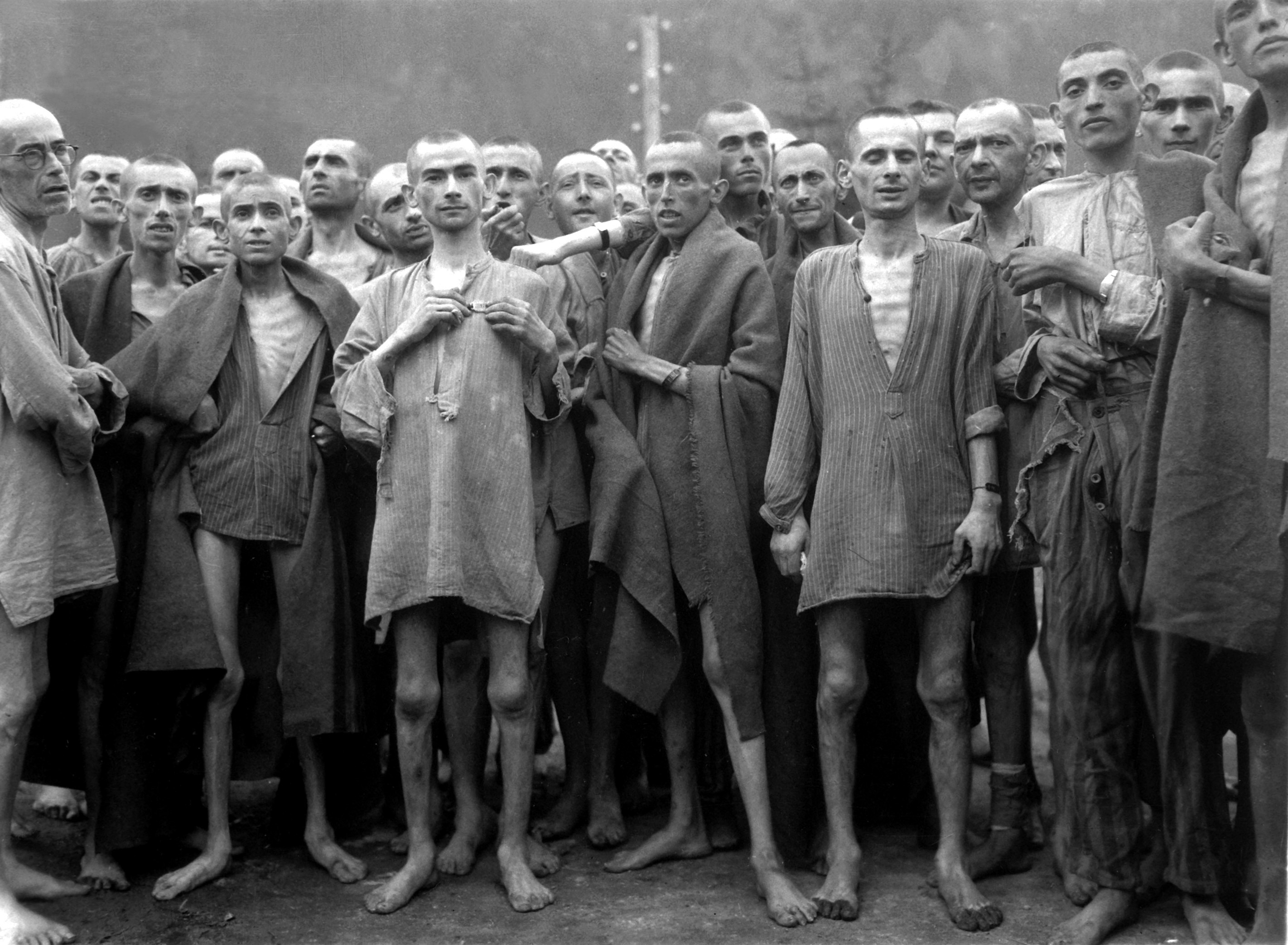
The Holocaust is one of the darkest events in human history. Historians explain it through antisemitism, Nazi racial ideology, propaganda, and Adolf Hitler's dictatorship. Those explanations are supported by extensive historical evidence.
Yet for many Christians, another question remains:
Was there also a spiritual dimension?
The Bible describes history as more than a series of political events. It speaks of an ongoing spiritual conflict between good and evil. If that is true, could the Holocaust have been more than an act of human hatred?
One view is that Hitler's obsession with destroying the Jewish people reflected a spiritual attack against Israel. Throughout Scripture, God's covenant people repeatedly faced attempts at extermination—from Pharaoh in Exodus, to Haman in Esther, to Herod in the New Testament. Some Christians see the Holocaust as another event in that pattern.
A second, far more controversial view is that the Holocaust represented divine judgment. Some Christians have connected Jewish suffering with the rejection of Jesus, pointing to events such as the destruction of Jerusalem in AD 70. A small number have extended that interpretation to later tragedies, including the Holocaust. However, this view is rejected by many theologians, who argue that Scripture does not teach that the Holocaust was God's punishment.
Others reject both of these explanations entirely. They believe the Holocaust was simply the result of human evil—proof of what sinful humanity is capable of when hatred, power, and ideology go unchecked. While they acknowledge a broader spiritual reality, they see no biblical basis for identifying the Holocaust as a specific act of divine judgment or a uniquely supernatural event.
The evidence of history can tell us how the Holocaust happened. Whether there was a deeper spiritual meaning behind it is ultimately a question of theology rather than historical proof. Christians have reached different conclusions, and the Bible does not explicitly identify the Holocaust with any one interpretation.
What is beyond dispute is the outcome. Evil, whatever its source, leaves behind death, suffering, and unimaginable loss. The Holocaust stands as one of history's clearest reminders of what happens when hatred is embraced and human life is devalued. For Christians, this is precisely why the message of Christ matters. Jesus did not come to spread hatred or revenge, but to overcome evil with love, offer forgiveness instead of vengeance, and bring the hope of redemption into a world broken by sin. Whatever conclusions we reach about the Holocaust's deeper meaning, its legacy points to humanity's desperate need for the hope that Christ offers.